
Months ago the apparel brand GAP introduced its new logo in stealth mode, which created such a backlash that even the most experienced brand professionals were surprised. Truth to be told, no one was expecting such fury. Eventually, the brand had to take a step back and announce that it will use its old logo. That incident is a prime example of the shifting power in mass communications. No longer corporations could push their message and expect consumers to accept it at face value. Instead, they have to facilitate a two-way dialogue. Only the ones that do seem to succeed these days. Case in point: Starbucks.
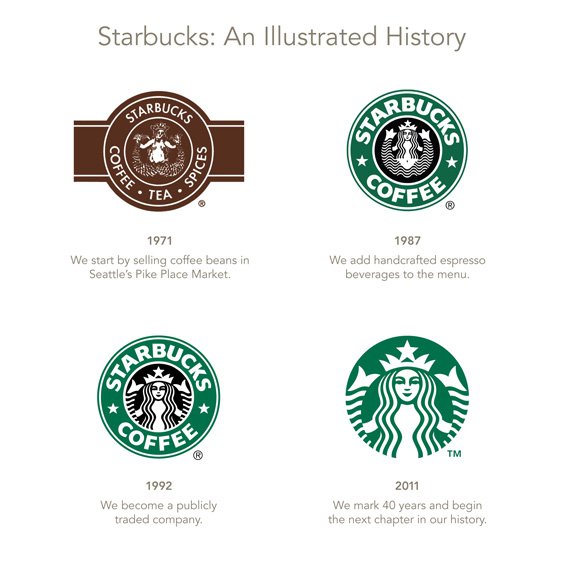
The coffee company successfully launched its new logo. Does everybody like it? Of course not because in a way we, human beings, are like cats: deep down we don’t like change (It’s an archetypal need). But the new logo of Starbucks (even though their changes are more drastic than those of the GAP’s logo) attracted much less criticism. Do you wonder why?
What differentiates GAP from Starbucks is that the latter was upfront with its business strategy. GAP launched its new logo and let people react to the “design”. The reason behind the change, the intentions, the new strategy… None of those were announced. Therefore, the criticism focused on the “visual” elements. In the absence of strategy, design is merely decoration. (Sure, GAP had a strategy, but it never openly communicated that.) Obviously, every single one of us has an opinion on what looks good and what looks bad. But very few of us is capable of challenging a big corporation’s business strategy. And since Starbucks was upfront with its new strategy (being more than a coffee company), people had tougher time criticizing the new logo. By setting the context right, and by being transparent Starbucks managed to launch its new brand identity with little problem. It also helped that they let people know that it was not the first time they changed their logo. Once we saw the visual evolution of the brand’s identity, we had easier time accepting the changes.
Edit: The same story repeated itself, this time with the University of California, which had to pull its new logo back. Brand and brand’ing’ are not the same thing. The former is a noun and the latter is a verb. If you want to learn how to do ‘branding’ right, watch this video.
For more, you can read this wonderfully-written article by Landor’s Ayo Selignman. What do you think?