Every great brand needs a worthy opponent. Your nemesis isn’t just a competitor—it’s the deeper force that stands in your way: outdated thinking, cultural inertia, internal guilt, or broken systems. When you name it, your brand story gains purpose, edge, and power.
How Your Tone of Voice Can Be Your Brand’s Secret Weapon
In a world where brands often blur together, your tone of voice is what makes you distinct. More than just words, it's how your brand feels when it speaks—shaping emotion, trust, and identity. This article shows how brands like Patagonia, BMW, and Mercedes-Benz use tone to stand apart—and how you can too.
Twelve Things Brand Owners Say When the Brand Is in Trouble
Brand strategy often begins in confusion—not with business jargon, but with real human frustration: “No one cares about us anymore.” Over the years, I’ve learned that these emotional signals often reveal deeper patterns. In this article, I introduce a practical diagnostic framework built from years of listening closely to brand owners. It maps five distinct stages of brand development—Infant, Adolescent, Adult, Late Adult, and Elderly—and shows how each stage comes with its own struggles, symptoms, and strategic next steps.
What the Hello Kitty Airport Tells Us?
Oita Airport recently rebranded itself as the “Hello Kitty Airport” in an effort to attract more international tourists. But beneath the pink bows and photo ops lies a more revealing question: What does this say about the airport’s brand maturity? In this article, I explore why borrowed branding may bring short-term attention but risks long-term identity confusion—and what Oita could have done instead.
Not Every Product That Grows Becomes a Brand
A personal story about a canceled subscription reveals a deeper truth: many companies grow but never become brands. In a world obsessed with acquisition, loyalty is quietly being devalued—yet it’s in those vulnerable, human moments that true brands are made. This essay explores the false dichotomy between growth and meaning, and why treating loyal customers well isn’t sentimental—it’s strategic.
Brand Identity vs. Brand Image: What You Show Isn’t Always What They See
Most brands obsess over identity—logos, slogans, style guides—yet forget one essential truth: it’s not what you say that shapes your brand, but what people feel when you're not in the room. This article explores the crucial gap between brand identity and brand image—and why bridging it is the key to building lasting trust.
The Shipbuilder’s Trap: The Most Common B2B Brand Strategy Problem
Once, there was a ship builder known as the finest builder of ships. Sleek, elegant, seaworthy vessels—commissioned by merchants, admired in harbors, envied by rivals. Every plank it laid, every sail it rigged, added to its legend. “He builds the best ships,” people would say. And indeed they did. But over time, things started to …
Continue reading "The Shipbuilder’s Trap: The Most Common B2B Brand Strategy Problem "
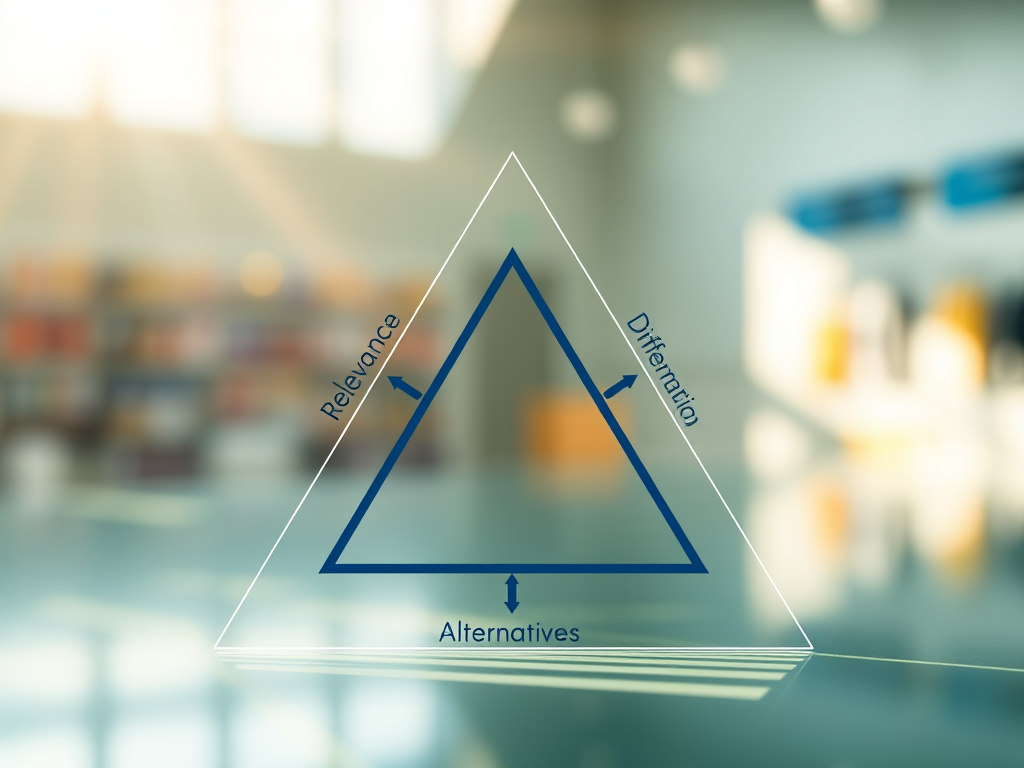
The Secret Geometry of Brand Strategy
My nine-year-old son was struggling with a math concept about triangles and required some assistance. We sat down together, and as I refreshed my Euclidean geometry knowledge to help him, I was reminded of a graphic I often use to illustrate brand strategy to my clients: a triangle that represents your brand, your customers, and …
You Are Where You Visit: A Psychological Guide to Destination Preferences
Imagine you're visiting a bustling city you've never been before. You have multiple options: You could visit the vibrant arts district of the city, buzzing with galleries, theaters, and street performers. Another option is to go to an idyllic park, perfect for reading or a quiet stroll. Alternatively, you can go to the heart of …
Continue reading "You Are Where You Visit: A Psychological Guide to Destination Preferences"
Why One Size Does Not Fit All in Place Branding?
Discover why cities, like people, have their own "innovation personalities." Whether they're trailblazing Innovators or cautious Late Majority, each city navigates change in unique ways. Dive into how diffusion of innovation theory merges with place branding, giving cities archetypal identities that evoke specific emotional responses. This is essential reading for policymakers and brand strategists looking to pinpoint their city's place in the global innovation landscape.