

I recently learned that 86% of place branding projects fail to achieve their objectives. While the research does not explain why, one likely culprit could be the reliance on stereotypes instead of archetypes in these projects. Case in point: Ottawa.
I took this picture in Montreal. The English translation: “We do not shut down the streets at 5 PM.” This ad tells me two things: One: Montrealers see Ottawa as a dull city. And two: Destination managers in Ottawa believe they can fix that stereotype with advertising.
Let’s start with the positive. The cardinal value of psychology is awareness. What gets attention grows. So, I commend Ottawa for acknowledging that it is perceived as a boring city. However, it may not be strategic for Ottawa to strive to reshape this stereotype.
In the realm of communications, altering perceptions is notoriously tricky, time-consuming, and costly. Imagine trying to convince a lifelong cat person that dogs are man’s best friend. You could spend years sharing anecdotes about dogs’ loyalty, conducting dog meet-and-greets, or even buying them a friendly puppy, only to have them still profess their preference for felines. This pursuit could drain your time, energy, and resources — much like the arduous task of changing established stereotypes. That is why places should discover their archetypes instead of limiting themselves to stereotypes.
Let’s start by defining the difference: Stereotypes and archetypes, while they might seem similar, they serve entirely different functions. Stereotypes, although an unfortunate part of human nature, are gross oversimplifications of complex human characteristics. They paint groups with a broad brush, often leading to misunderstanding and bias. Cultural stereotypes-especially- stem from the emotional differences among nations. Examples include stereotypes such as arrogant French, barbaric Turks, or cold Germans. Building a brand or campaign on such a foundation is unwise.
Archetypes, however, function at a deeper level. They provide a framework for understanding commonalities in the human experience, a shared ‘story’ if you will. From the hero embarking on a transformative journey to the caregiver offering selfless love and protection, these recurring characters or themes resonate universally across cultures and throughout history. For instance, Martin Luther King Jr., who challenged the norms of his time and stood up against racial discrimination, embodies the rebel archetype. With his profound contributions to science and wisdom in various aspects of life, Albert Einstein symbolizes the sage archetype. With her hopeful outlook despite the horrors of her circumstances, Anne Frank embodies the innocent archetype. Unlike a personality trait, an archetype represents a compelling, authentic narrative. That’s why understanding your archetype allows you to tell a more compelling and authentic story.
With all that in mind, let’s review three examples of archetypal destination branding. A few years ago, Washington DC’s tourism bureau chose to rebrand their city, commonly perceived as a governmental rather than a touristy place. However, their archetypal image paints a much richer picture. Research showed that visiting Washington, DC, often resulted in powerful memories. The campaign thus invited visitors to create their own power trip, leveraging the city’s rich archetypal ruler narrative.
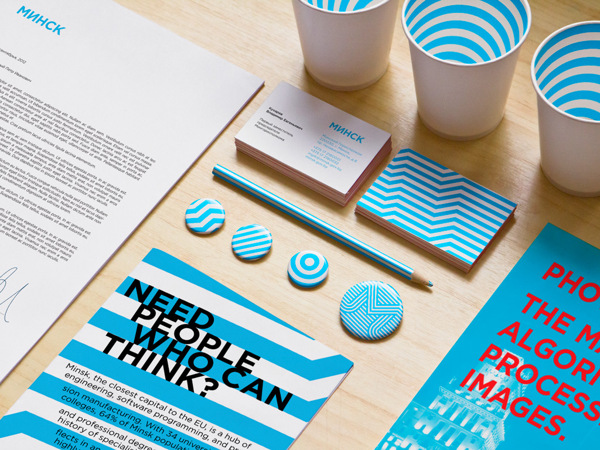
Minsk, the capital of Belarus, had a different communication problem: it needed a distinct identity. To foster local pride and attract foreign interest, a brand strategy was developed based on the city’s unique ability to engineer practical solutions to complex issues, a trait rooted in its population, composed mainly of third-generation engineers. This gave rise to “Think Minsk,” encapsulating the city’s intellectual persona, thereby solidifying Minsk’s archetypal sage narrative.
Historically, Izmir, Turkey’s third-largest city, has been a hub for pioneers, evidenced by numerous “firsts” in the region, such as being the birthplace of parchment paper to having Europe’s first sport-specific hote. It was its inhabitants’ frontier mindset that set the town apart. This “frontier mentality” stands as Izmir’s unique archetypal explorer narrative, working successfully for all its stakeholders.
To wrap it all up, place branding is about embracing a city’s unique, sometimes quirky, and always meaningful archetype. Instead of spending energy trying to wrangle a stubborn stereotype, do a little soul-searching and discover your city’s true archetype. The three examples above serve as reminders that destinations, like people, are multifaceted. Your stereotype may be part of your city, but it isn’t all of you. Unearth your archetype, and let it be the shining beacon guiding your brand narrative.